All
Staple Grain
Grains are the edible seeds of certain grass plants. Rice, Wheat and Corn are common grain foods, as are barley and millet. Pseudo grains are foods that are not true grains but may be similar in appearance and nutrition to true grains. Examples of pseudo grains are quinoa and amaranth.
Vegetable Produce
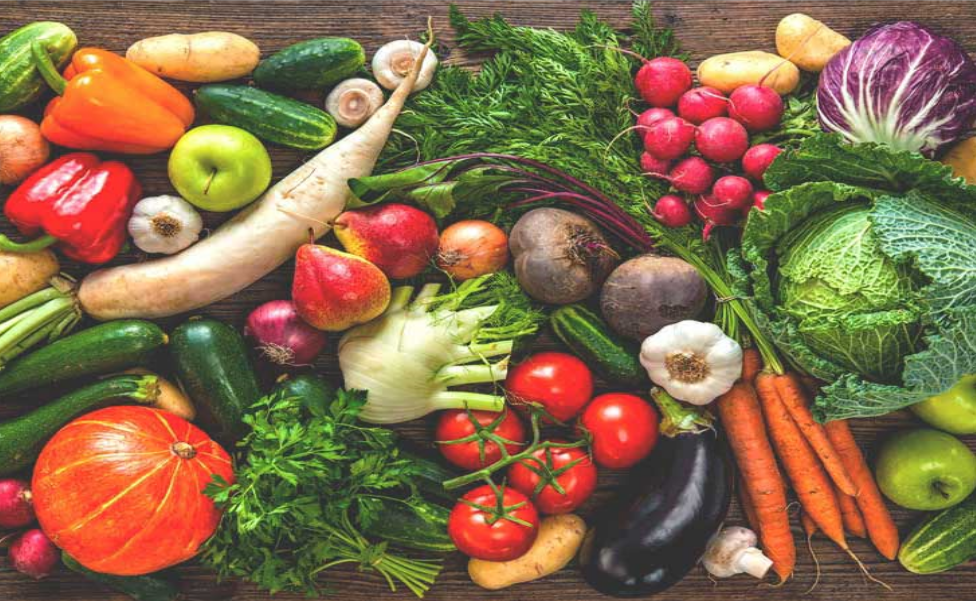
Vegetable, in the broader area, is any kind of plant life or plant product, namely ‘vegetable matter’. In common, narrow usage, the term vegetable usually refers to the fresh edible portions of certain herbaceous plants such as roots, stems, leaves, flowers or fruits. These plant parts are either eaten fresh or prepared in a number of ways, usually as a savory dish.
Poultry Produce
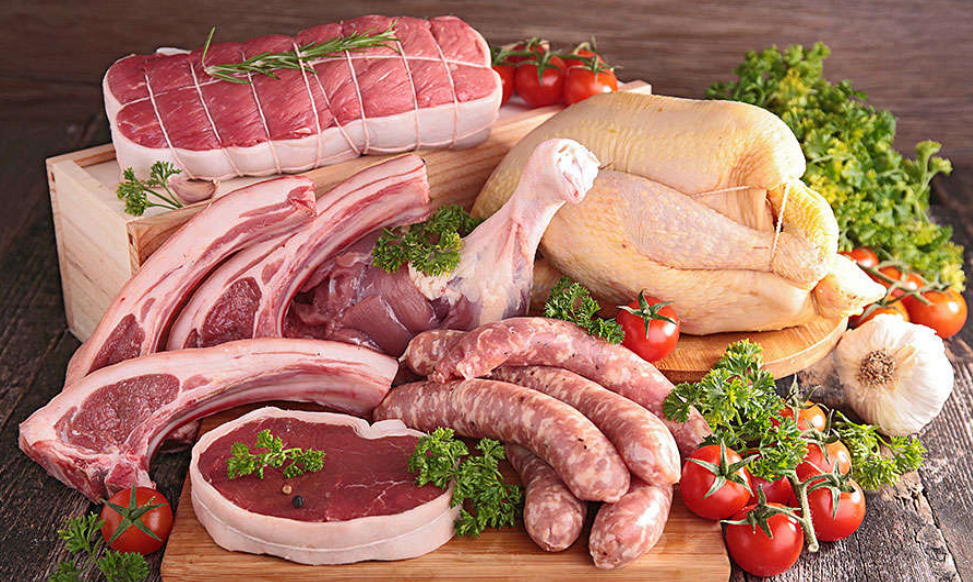
Poultry, raised commercially for meat, eggs, and feathers, such as chickens, ducks, turkeys, and geese are of primary commercial importance. Based upon the numbers of animals, poultry represent the largest domestic animal stock in the world, and poultry meat was the fastest growing component of global meat production in the early 21st century. Poultry meat and eggs provide affordable high-quality protein. Poultry farming, especially on a small scale, is renewable and efficient and can provide a ready source of income and nutrition.
Marine Produce
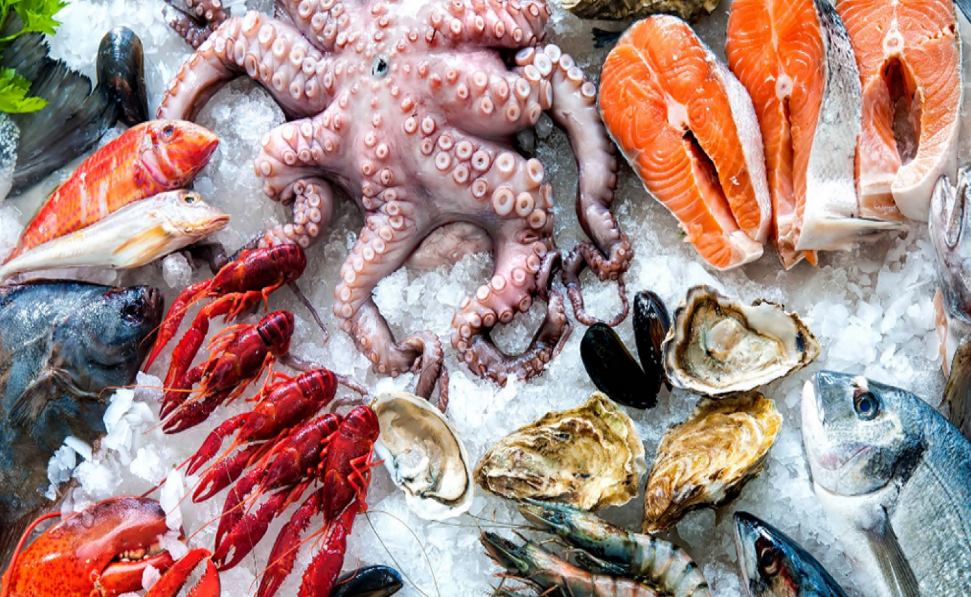
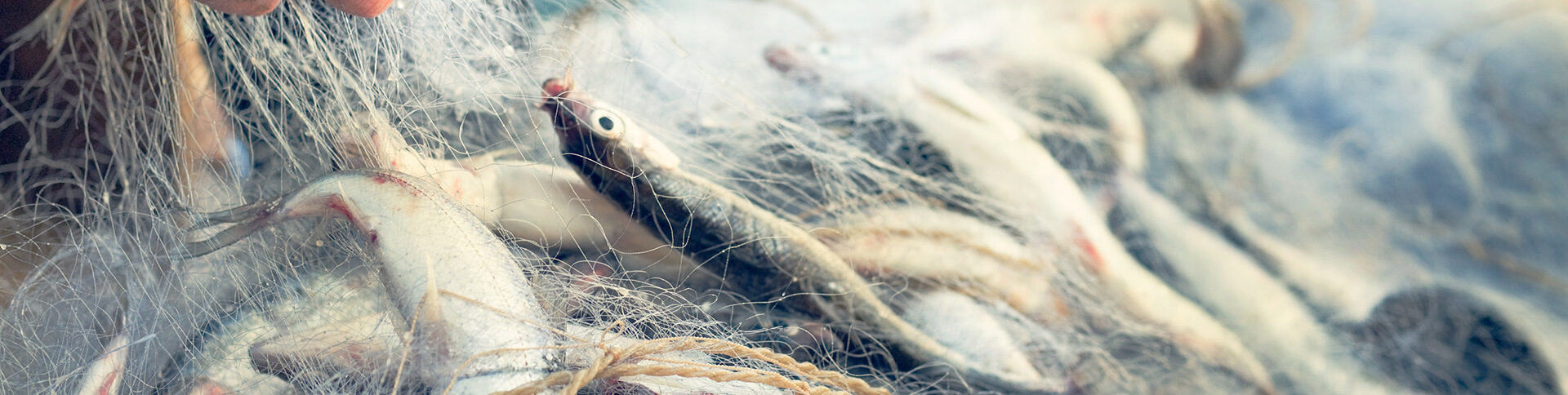
Seafood, edible aquatic animals, excluding mammals, but including both freshwater and ocean harvest. Most non-toxic aquatic species are exploited for food by humans. Fish and other seafood is an important source of food, furnishing about 15 percent of the global population’s protein intake. Lean fish food usually provides 20 percent protein by weight, the equivalent of beef poultry, but is much lower in calories.